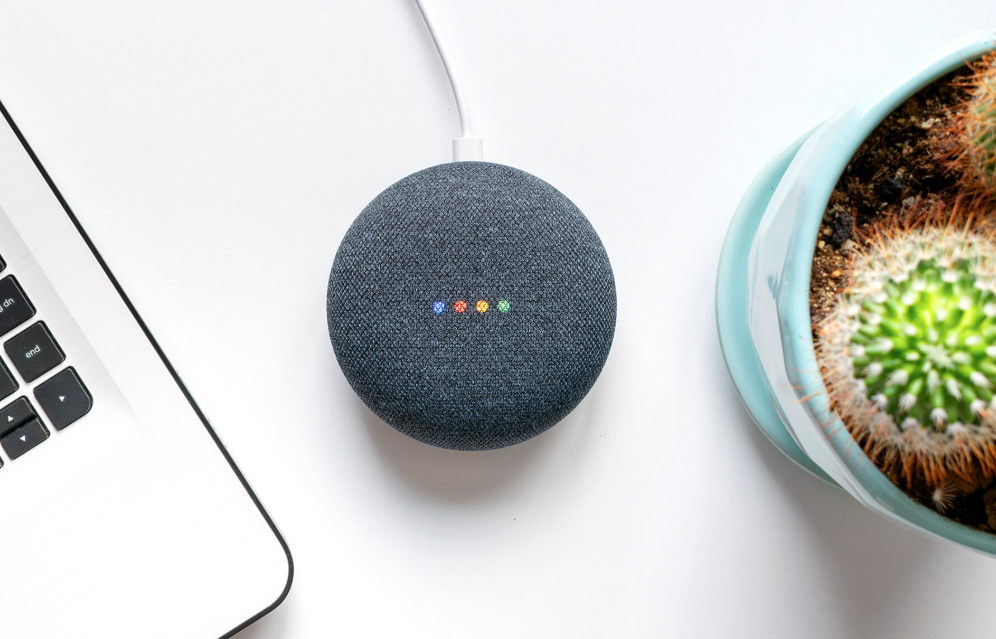
Voice assistants integrate into daily life by handling routine tasks, queries, and ambient controls. They learn patterns to craft practical prompts and offer personalized reminders, across devices. Privacy safeguards limit data sharing while supporting transparency. Observations suggest fewer interruptions and more autonomy as routines translate into reliable prompts. Choosing the right assistant depends on task mapping and interoperability, guided by clear data practices. The next step questions how these choices shape usefulness over time, inviting careful testing and ongoing adjustment.
What Voice Assistants Do for Daily Life
Voice assistants integrate seamlessly into daily routines by handling routine tasks, information requests, and ambient control. They observe daily routines and user habits, translating patterns into practical prompts. Voice personalization adapts responses to preferences, while privacy safeguards limit data sharing and enable controls. Observations note efficiency gains, fewer interruptions, and broadened autonomy, yet emphasize transparent defaults and user empowerment.
How to Choose the Right Assistant for Your Routines
Choosing the right assistant for daily routines involves mapping current tasks, devices, and preferred interaction styles to available capabilities. The assessment remains empirical and neutral, highlighting user needs and practical constraints. Consider privacy concerns and data retention policies, comparing how each option handles conversations, reminders, and cross-device integration. Selection should prioritize reliability, interoperability, and measurable impact on routine clarity and independence.
See also: financearray
Maximizing Privacy and Security at Home
The previous discussion on selecting a suitable assistant for daily routines naturally leads to examining how to protect those routines in everyday environments.
In observations from real homes, privacy risks are mitigated through user-centered routines and transparent controls, allowing informed choices.
Data minimization reduces exposure while preserving usefulness; security practices evolve with practical, freedom-respecting use, not fear.
Tips to Get More From Voice Assistants Today
To maximize usefulness from voice assistants, users can start by identifying everyday tasks that gain the most value from hands-free control and quick confirmations.
Observations show routine automation reduces interruption and fatigue, while privacy basics guide safer sharing.
Users report stepwise testing yields reliable results; targeted prompts save time and strengthen trust.
Frequently Asked Questions
Can Voice Assistants Learn My Voice Across Devices?
They can learn a voice profile across devices only if linked accounts enable cross device syncing; offline privacy may diminish during syncing, while secure payments rely on robust authentication, and resilience depends on internet outage handling and data protection guarantees.
Do They Support Multilingual Everyday Tasks Simultaneously?
Yes, they support multilingual everyday tasks simultaneously, though effectiveness varies. Multilingual routines are recognized across compatible apps, while cross device voice learning updates gradually, requiring consistent use. Observations suggest a user-centered design fosters more fluid, freedom-oriented interactions.
How Reliable Are Offline or Local Processing Options?
Offline processing offers reliable responsiveness for simple tasks, but performance varies by device and model; privacy implications depend on data handling, on-device encryption, and update practices, with users gaining greater autonomy at the potential cost of feature completeness.
Can They Manage Sensitive Financial Information Securely?
Approximately 70% of users distrust cloud-only solutions, yet secure offline options vary. They can manage sensitive financial data cautiously if robust privacy safeguards and data minimization practices are implemented, aligning with user desires for freedom and responsible handling.
What Happens if the Internet Goes Down?
An internet outage halts cloud-dependent tasks; however, some functions may continue through offline processing viability. The experiment observes disrupted commands, delayed responses, and reduced accuracy, emphasizing user-centered resilience. Overall, users seek freedom via robust offline capabilities during internet outage impact.
Conclusion
Voice assistants increasingly streamline daily tasks by converting routines into reliable prompts, enabling hands-free control and proactive reminders. Empirical observations show users experience smoother mornings and fewer interruptions as patterns are learned over time. An illustrative statistic: households with adaptive routines report a 22% reduction in mid-day task switching, signaling steadier attention and momentum. For users evaluating options, the evidence suggests prioritizing interoperable, privacy-conscious systems that translate daily needs into practical prompts with transparent data use.


 By
By